Complete Guide to Tennis Court and Sports Surface Cleaning
Whether you manage a community tennis club, a school sporting facility, a private backyard court or a multi-purpose netball and basketball area, keeping the playing surface clean is one of the most important parts of ongoing maintenance. In Bundaberg, warm temperatures, high humidity, regular summer rain, and a lush subtropical environment mean sports surfaces can deteriorate faster than many owners expect. This guide explains what builds up on courts, how to clean different surface types safely, and when it makes sense to call in a professional.
Why Sports Surface Cleaning Matters in Bundaberg
Bundaberg's climate is ideal for mould, algae, and moss growth. Add the region's tree cover, sugarcane dust, red soil runoff, and coastal salt carried on the breeze, and a court can go from pristine to slippery in a matter of months. A dirty surface is more than a cosmetic problem. It affects safety, playability, and the lifespan of the surface itself.
- Player safety: Algae and mould create slick patches that greatly increase the risk of slips, falls, and ankle or knee injuries.
- Ball performance: Dirt and debris change ball bounce and grip, making play inconsistent.
- Surface longevity: Organic growth holds moisture against the surface, which can degrade acrylic coatings, break down line markings, and encourage cracking and peeling.
- Drainage: Leaves, silt, and grit can clog surface pores and drainage points, leading to ponding water and further growth.
- Appearance and value: A clean, bright court reflects well on clubs, schools, and property owners, and helps protect the investment made in the surface.
Common Types of Sports Surfaces
The right cleaning method depends heavily on what the surface is made from. Using the wrong pressure or chemical can cause permanent damage, so it helps to know what you are dealing with.
Acrylic Hard Courts
These are the most common surfaces for tennis, netball, and basketball in Queensland. They consist of an asphalt or concrete base finished with layers of acrylic paint and often a textured grit additive. They tolerate regular cleaning well, but excessive pressure can strip the coating and wear down the texture that provides grip.
Synthetic Grass Courts
Synthetic turf, often filled with sand, is popular for tennis and multi-use areas. Moss, algae, and debris collect between the fibres and within the infill. Cleaning needs to be gentler to avoid displacing the infill or damaging the fibres.

Rubber and Soft-Fall Surfaces
Poured-in-place rubber and rubber tile surfaces are used in playgrounds, running tracks, and some indoor and outdoor courts. These are porous and sensitive to harsh chemicals and high pressure, so low-pressure cleaning with suitable detergents is usually best.

Clay and Natural Grass
Clay and natural turf courts are less common in the region and require specialist maintenance such as rolling, brushing, watering, and mowing, rather than conventional washing.
What Builds Up on Courts
Understanding the type of contamination helps you choose the right treatment.
- Algae and mould: Green, black, or brown growth, particularly in shaded or damp areas.
- Moss and lichen: Often found along edges, cracks, and areas with poor drainage.
- Tannin stains: Brown discolouration from leaves, flowers, and seed pods from nearby trees.
- Dirt, silt, and red soil: Washed or blown onto the surface, especially after heavy rain.
- Bird droppings: Common under trees and around lighting poles and fences.
- Rubber marks and scuffing: From shoes and equipment, particularly on basketball and netball courts.
- Oil and grease: Occasionally from maintenance equipment or vehicles accessing the area.
Cleaning Methods Explained
Low-Pressure Washing
Low-pressure washing is the preferred approach for most sports surfaces. It lifts surface dirt and loosens organic growth without stripping coatings. High-pressure water used too close to the surface can etch acrylic, remove line markings, blast out infill from synthetic turf, and leave visible streaks. A wide fan tip and a controlled distance are essential.
Soft Washing and Biocide Treatment
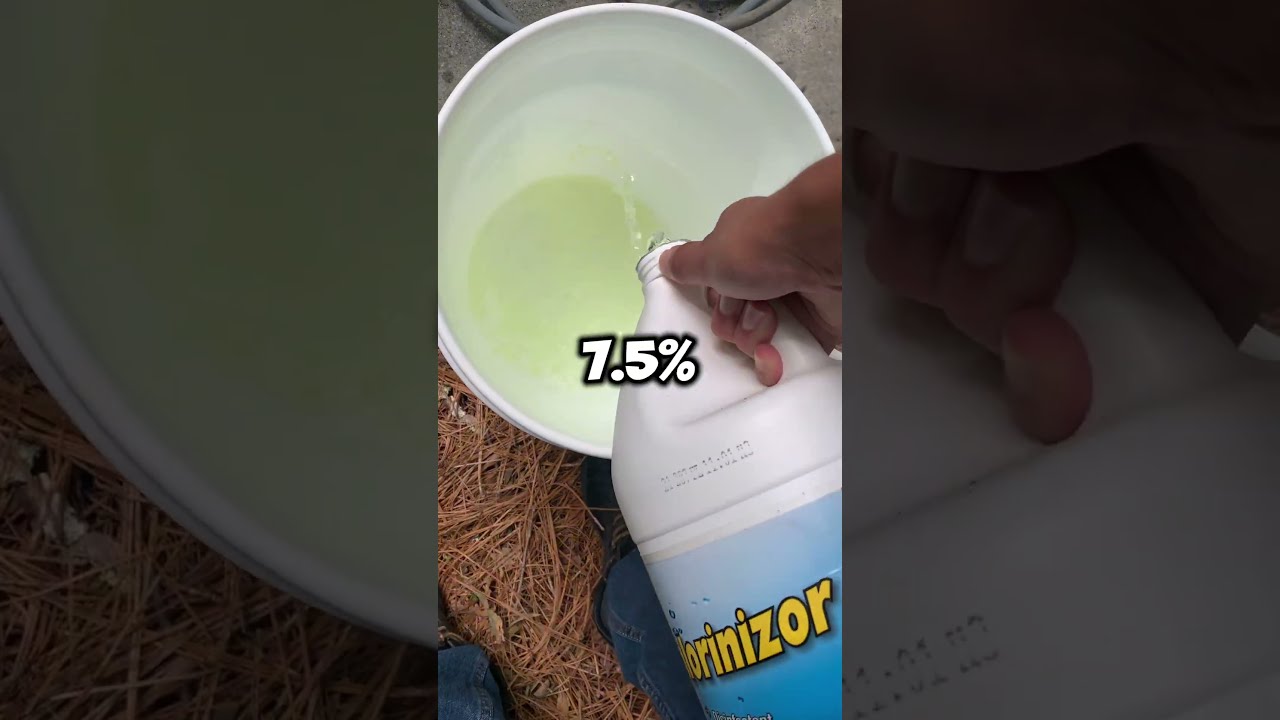
Soft washing uses specially formulated cleaning solutions to kill algae, mould, and moss at the root, rather than relying on force alone. This is particularly effective in Bundaberg's humid conditions because it helps slow regrowth. The solution is applied, left to dwell for the appropriate time, and then rinsed off. Professionals take care to protect surrounding gardens, waterways, and stormwater drains.
Surface Cleaners
Rotary surface cleaners are attachments that spin the water jets under a hood, delivering even results over large flat areas and reducing the striping that can occur with a wand. They are useful for large courts and can be used at moderate pressure to protect the coating.
Brushing and Sweeping
Regular sweeping or blowing of leaves and debris is one of the easiest and most effective forms of preventative maintenance. On synthetic grass, brushing helps keep fibres upright https://emilioskre689.slatecurrent.com/posts/step-by-step-guide-to-degreasing-commercial-kitchen-patios and redistributes infill evenly.
Spot Treatment
Oil, rubber marks, and heavy stains may need targeted treatment with a suitable cleaner. Always test products on a small, inconspicuous area first to make sure they do not discolour or damage the surface.
Step-by-Step: How to Clean a Hard Court
- Inspect the surface. Look for cracks, lifting paint, and worn line markings. Cleaning will not repair these, and loose coatings can be damaged further by washing.
- Remove debris. Sweep or blow off leaves, twigs, and loose dirt, and clear drainage points.
- Protect surroundings. Cover or shield nearby plants, electrical outlets, and equipment, and check where wastewater will flow.
- Apply a suitable cleaning solution. Use a treatment appropriate for algae and mould, and let it dwell as directed without allowing it to dry on the surface.
- Wash at controlled pressure. Work in overlapping passes, keeping the nozzle at a consistent distance for an even finish.
- Rinse thoroughly. Make sure all cleaning residue is removed so it does not leave a slippery film.
- Allow to dry fully. Keep the court closed until it is dry and safe to use. Humidity in Bundaberg can lengthen drying times, particularly in shaded areas.
How Often Should You Clean?
Frequency depends on location, surrounding vegetation, and how heavily the court is used. As a general guide for Bundaberg conditions:
- Sweeping or blowing: Weekly or fortnightly, and after storms.
- Light wash: Every three to six months for courts under trees or in damp, shaded locations.
- Full clean with biocide treatment: At least once or twice a year for most courts, and more often where algae regrows quickly.
- Synthetic turf maintenance: Regular brushing, with deeper cleaning as moss or compaction appears.
Courts surrounded by mature trees, near gardens, or beside irrigated areas typically need more frequent attention than open, sunny sites.
Preventing Regrowth
Cleaning is far more effective when paired with prevention. A few simple measures can extend the time between major cleans.
- Trim overhanging branches to increase sunlight and reduce leaf litter.
- Check that sprinklers are not spraying onto the court surface.
- Keep drainage grates and surrounding gutters clear.
- Repair low spots where water pools, as these are prime locations for algae.
- Apply an anti-fungal or mould-inhibiting treatment after cleaning where appropriate.
- Reseal or recoat the surface when it begins to wear, as a smooth, intact coating is easier to keep clean.
Environmental and Safety Considerations
Bundaberg's proximity to rivers, creeks, and the Great Barrier Reef catchment means responsible wastewater management matters. Cleaning runoff should not carry chemicals, silt, or contaminants into stormwater drains and waterways. Professional operators often use methods such as containment, filtering, or controlled discharge to meet local council expectations and environmental guidelines. If you are cleaning a court yourself, choose biodegradable products where possible, avoid using harsh chemicals near drains and garden beds, and check council requirements if you are unsure.
Safety is also important for the person doing the work. Wet surfaces are slippery, pressure washers can cause injury, and some cleaning chemicals require protective equipment. Always follow manufacturer instructions, and never mix cleaning products.
DIY or Professional Cleaning?
Homeowners with a small backyard court can often manage regular sweeping and light washing themselves. However, professional cleaning is worth considering when:
- The court is large, such as a club, school, or council facility.
- Algae or mould growth is heavy or keeps returning.
- The surface is delicate, aged, or has a specialised coating.
- You need to minimise downtime for competitions or bookings.
- Wastewater control is required near drains, waterways, or neighbouring properties.
- You want a consistent, streak-free finish without risking damage.
Professionals have commercial-grade equipment, surface-appropriate chemicals, and the experience to adjust the method to suit each court. Many also provide ongoing maintenance schedules, which can help clubs and schools budget and plan.
Choosing a Cleaning Provider in Bundaberg
When comparing local providers, ask a few key questions to make sure your surface is in safe hands:
- Do they have experience with your specific surface type?
- What cleaning methods and products do they use, and are they safe for the coating?
- How do they manage wastewater and protect surrounding areas?
- Are they insured, and do they follow safe work practices?
- Can they provide references or examples of previous sports surface work?
- Will they provide a clear written quote, including any recommended follow-up treatments?
Signs Your Court Needs More Than Cleaning
Sometimes a thorough clean reveals problems that washing cannot fix. If you notice any of the following, it may be time to consult a surfacing specialist about repairs or resurfacing:
- Cracks that are widening or allowing water through
- Bubbling, peeling, or flaking paint
- Worn or faded line markings
- Persistent low spots that hold water
- Loose or compacted infill on synthetic turf
- Rough, worn areas where the surface texture has been lost
Cleaning before resurfacing or recoating is also essential, as paint and sealers will not bond properly to a dirty or contaminated surface.
Final Thoughts
Keeping tennis courts and sports surfaces clean in Bundaberg's warm, humid environment takes a combination of regular upkeep, the right cleaning methods, and sensible prevention. By matching your approach to the surface type, avoiding excessive pressure, managing wastewater responsibly, and scheduling cleans before growth becomes severe, you can protect player safety, maintain performance, and get more years out of your court. For larger facilities or stubborn algae problems, engaging a local professional with sports surface experience is a practical way to get reliable results while protecting your investment in 2026 and well into 2027 and beyond.
Bundaberg Pressure Cleaning
(07) 4158 8067